Meta description:
A cutting, heartfelt critique of The Devil Wears Prada 2 as it explores the fall of journalism, fashion feuds, and the return of legendary characters.
Introduction: The Return to the Runway Under New Pressures
Almost two decades after the original cultural phenomenon, The Devil Wears Prada 2 (2026) returns to the glossy, unforgiving world of high fashion. But this time the glamour is mixed with something heavier: industry collapse, digital disruption and the emotional toll of success.
It used to be a smart, insider look at fashion, but now it’s a more general commentary on modern media, corporate control and the tenuous line between creativity and commerce.” The film isn’t just a re-visiting of beloved characters. It’s a test of what they’ve become in a world that no longer plays by the same rules.
When Journalism Joins a Fading Industry
One of the film’s most potent subtexts is its reflection of the media crisis of today. The story is an understated allegory for the real-world demise of traditional journalism, in which layoffs and downsizing, and digital-first survival strategies have reshaped everything.
No time wasted on the mundane grind of job-hunting, the story immediately launches into the consequences, seasoned professionals suddenly out of work and having to adapt or disappear. Andy Sachs and a few familiar faces find themselves swept up in this volatile environment before a surprise return to Runway changes their trajectory.
But the film treats this shift with surprising maturity. The dialogue between characters feels natural, almost awkward in its closeness to reality. But it avoids melodrama, and favors restraint over spectacle.
Numbers vs Art: The True Struggle Behind the Glamour
The sequel isn’t just about fashion at its heart, it’s about power.
When Irv and his son Jay start to pressure Miranda Priestly on numbers, a corporate battle begins to unfold. The message is clear: creativity is not enough any more. Everything must be justified by the numbers.
This tension quietly fuels the film’s emotional weight. Runway’s world has become a battleground of artistic identity versus corporate efficiency. And that struggle begins to kill something intangible.
The film never turns this into a lecture. It allows the audience to experience it instead through decisions, silences and changing loyalties.
Miranda Priestly Power, Loneliness and Reflection
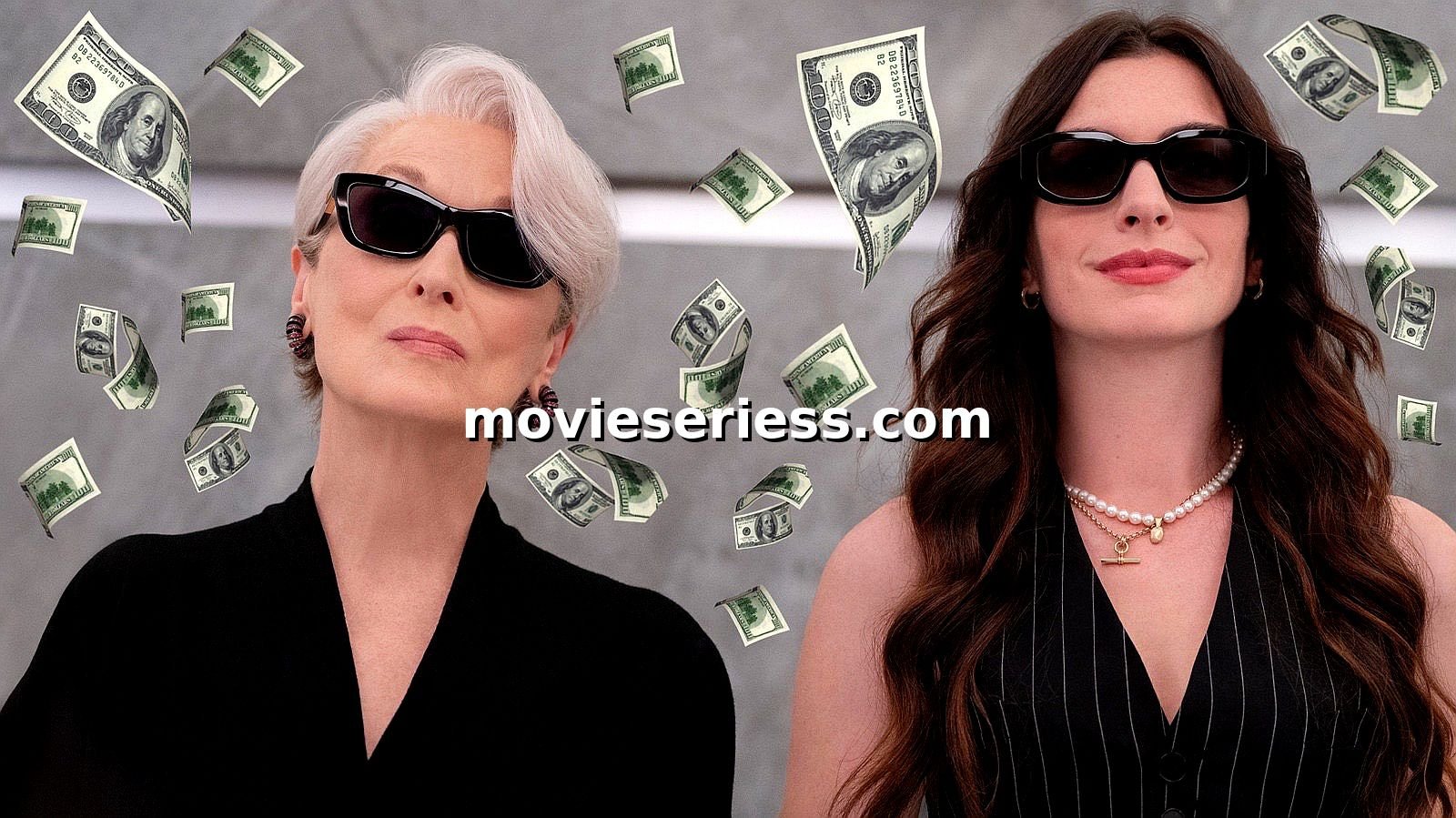
Meryl Streep returns as the unforgettable Miranda Priestly and the role anchors the entire film once again.
This time, Miranda is less untouchable icon and more complex human. She still commands rooms with precision and authority, but cracks have started to show beneath the surface. The most emotionally grounded turns in the film are when she realizes how much she has undervalued Nigel.
In the end, she admits what others have long known—her success has come at a price personally. Her life is ordered, but lonely, her relationships with her children remote. The glamour is still there, but it feels quieter, almost hollow in places.
It’s not a fall from power, it’s a shift of consciousness.
Nigel: The Runway’s Secret Hero
Stanley Tucci as Nigel continues to be one of the film’s most subtle presences.
Witty, composed and always reliable, Nigel is the invisible engine that drives Runway. He handles crises, negotiates chaos, and keeps the magazine going while others take the credit.
The film gives him the recognition he’s been waiting for, not as support—but as structure. Their relationship grows emotionally, especially as Miranda comes to realize how much she has depended on him without realizing it.
And he’s still stylish, sharp and cool as hell – the sort of character who steals scenes without even trying.
Andy Sachs: Self-Confidence and Self-Identity Restored
Anne Hathaway is back as Andy Sachs and her transformation seems organic and deserved.
No, Andy is not the uncertain assistant moving through a ruthless workplace anymore. She walks with clarity now, and with confidence. She’s matured in her career, but the curiosity that once defined her hasn’t vanished—it’s simply been honed.
Her story arc also brings in a new romantic element but it never overshadows her character growth. Instead, it reinforces the idea that she’s finally arrived at a place where she’s appreciated for who she is, not just what she produces.
Andy’s return to Runway is not so much about nostalgia as it is about unfinished business.
Emily: The Unfulfilled Ambition
Emily Blunt is another sharp, emotionally complex performance as Emily, still caught up in her own contradictions.
She’s still hungry, still angry, still looking for validation that never comes. But Emily seems to be trapped in a cycle of seeking recognition without finding emotional grounding, unlike the others who change.
Her desperation is more obvious this time, which makes her interesting and tragic. She is what happens when ambition outruns self-awareness — and never quite catches up.
Cameos from the World of Fashion and Culture Texture
The film mixes fiction and real industry, extending its universe with cameos from real-world fashion figures. The cast also has some notable cameos from the likes of Donatella Versace, Marc Jacobs and Law Roach, which lend authenticity to the film’s take on fashion weeks, luxury launches and elite gatherings.
Lady Gaga is one of the highlights, bringing star power and emotional weight. Her dialogue with Miranda is surprisingly heavy, one of the more memorable exchanges in the film.
These moments are never staged, they just point out what fashion is: an industry, a performance.
Tone, Pacing and Visual Identity
At just under two hours, the film has a crisp, controlled pace. It doesn’t take unnecessary emotional detours, but allows the characters to breathe enough.
What stands out most is the natural way aging is handled. The characters do not seem to be artificially frozen in time. They are allowed to be what they are instead – changed, grown and made by experience.
The score adds to this evolution, a fashion-world way of mixing chaos and elegance, beautiful but always a little unstable underneath.
Final Act: Hope, in a Changing World
The ending is more about emotional closure than desolation, without giving away major spoilers. This is part of a larger trend in storytelling that prefers cautious optimism to nihilism.
The ending refuses to tie everything up neatly. Rather, it ends on a note of continuation — of lives unfolding after what we’ve witnessed.
The Final Verdict: Worth The Wait, Built On Reflection
The Devil Wears Prada 2 (2026) succeeds not by copying its predecessor, but by reframing it for a new age. It knows that fashion, media, and identity are no longer simply about image—they are about survival in a system dictated by data and visibility.
People love nostalgia, but it’s the emotional intelligence and relevance to today’s world that keeps them there.
A smart, stylish return that respects the legacy, while asking harder questions about the future.