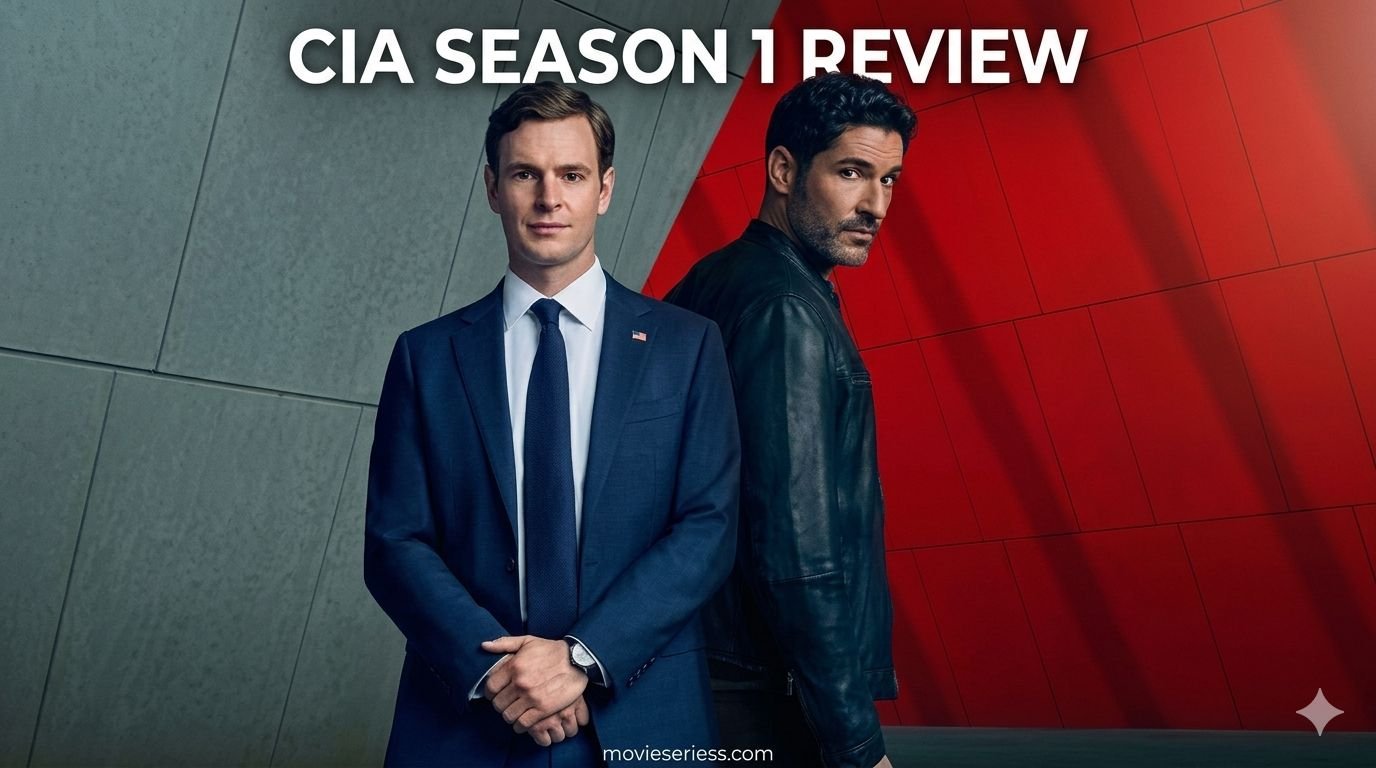
Dick Wolf has spent decades perfecting the crime procedural formula, and with CIA he brings that familiar style into the realm of international intelligence. The result is a breakneck drama that mixes homegrown security threats with worldwide espionage, making for a series that is both familiar and delightfully different.
Season one shows viewers a strange partnership between CIA agent Colin Glass and FBI agent Bill Goodman. For two very different men, with very different personalities and professional philosophies, a new interagency task force is the assignment of a lifetime—but they’re forced to work together. Their mission, on paper, is simple: to investigate threats that could threaten national security. Every case is complicated by their personal secrets and conflicting methods, in fact.
A Partnership That Powers the Series
The chemistry between Colin and Bill is the heart of the show. Tom Ellis is confident as the unpredictable CIA agent who’s comfortable with bending rules whenever necessary. Colin lives in a world of deceit, confidentiality and careful gambles, so he’s not the easiest partner for someone who likes order.
Nick Gehlfuss is perfectly counterbalanced by Bill Goodman. Bill believes in procedure. He believes in accountability and the law. He is an FBI agent. There are some great moments in the show watching him navigate the morally grey world of intelligence work.
They are in constant disagreement, a source of tension throughout the season but also responsible for many of its lighter moments. Whether they’re arguing over investigative techniques or questioning each other’s decisions, the chemistry between the two leads makes the series fun even in exposition-heavy episodes.
Espionage Adds New Twist
What sets CIA apart from many traditional police procedurals is the emphasis on intelligence operations. The series is more than just solving crimes and demonstrates how government agencies work with — and sometimes against — each other in addressing national security threats.
The formation of a CIA-FBI fusion unit gives the writers an opportunity to explore the differences between law enforcement and espionage. Bill sometimes has a hard time with the undercover nature of CIA work, while Colin views secrecy as a necessary tool of the trade. This conflict is what makes the show so unique in the procedural genre.
Then there’s the ongoing mystery of a suspected mole that also benefits the season. Many episodes are peppered with clues so viewers can help the characters solve the puzzle. This story line provides suspense for much of the season and raises the stakes higher than the weekly investigations.
A Disappointing Finale
There’s a lot of build up to the season, but it never really knows how to end itself. The series finale leans too hard on standard procedural storytelling tropes, sapping the power from the larger mystery that had been built up.
The reveal of the mole investigation doesn’t come with the kind of dramatic payoff many viewers may expect. A season of building intrigue. The payoff is less ambitious, less risky and therefore less effective than it could have been.
That’s especially disappointing, because the series spends so much time setting up a more complex, less predictable story. But instead of wholly embracing those possibilities, the finale opts for a more conventional path.
- Supporting Characters Deserve More Love
Another weakness of the season is the limited use of the supporting cast. There are some talented actors throughout the series but many of the characters are not fleshed out much beyond their immediate roles in the story.
Nikki is one of the clearest examples. She’s got a lot of potential and adds some depth to the story, but the writing seldom delves into her personal motivations or emotional side. Stronger ensemble going forward is helped by expanding characters like Nikki
The show does have a couple of welcome returns from familiar faces in Dick Wolf’s television universe that longtime fans will appreciate. Some opportunities for wider tie-ins seem to have been missed, but these crossovers add another level of fun.
Verdict Final
CIA Season 1 successfully establishes itself as a new, interesting and hopeful addition to the procedural television genre. The espionage, national security investigations and good lead actors give the show a unique identity that sets it apart from many dramas of this ilk.
There’s certainly a solid foundation here but the season is held back from achieving its full potential by the finale and the under-developed supporting cast. If they can build on the strengths of the show and fix the weaknesses in future seasons, it could be one of CBS’s most reliable and popular long-running franchises.
3.5/5
Great chemistry between the leads, interesting intelligence work and lots of growth potential for later seasons make for a very compelling first season.