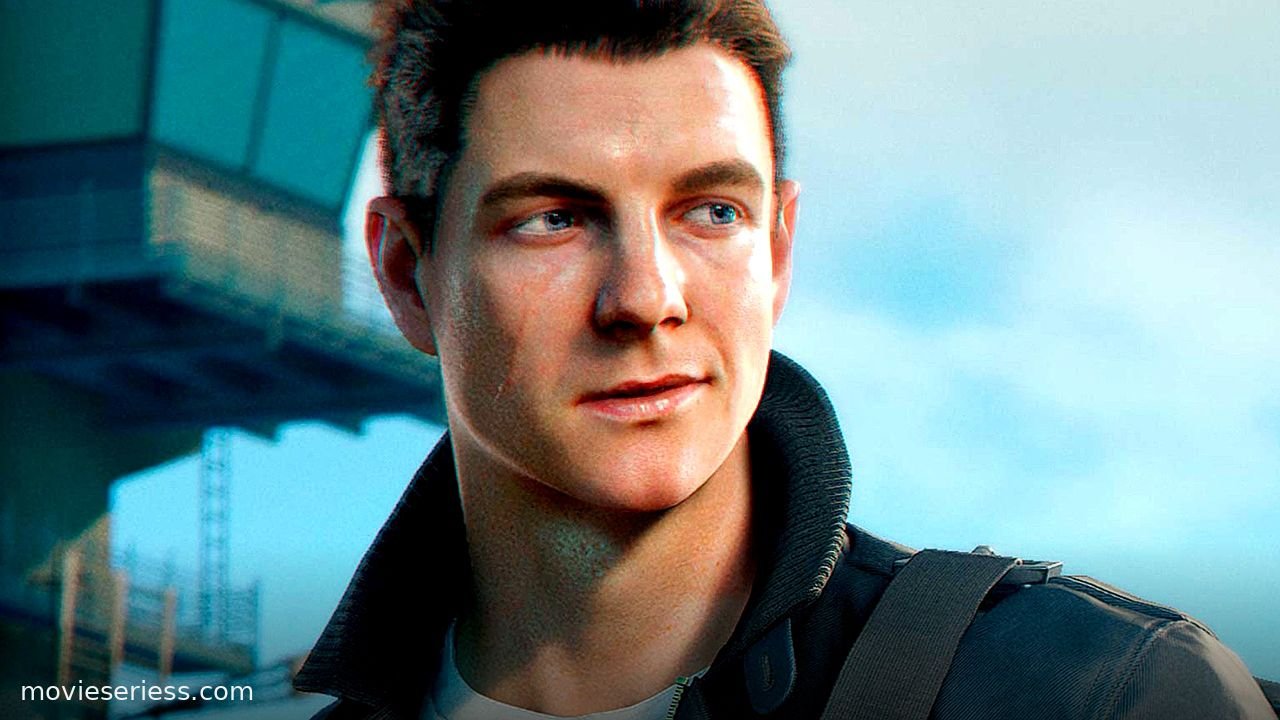
For more than six decades, James Bond has been one of the most recognizable figures in popular culture. The character’s appeal was never just about espionage. Bond is sophistication, confidence, danger and adventure rolled into one irresistible fantasy.
Whether he’s infiltrating a criminal organization, working his way through high-stakes political conspiracies, or charming his way through a room full of enemies, Bond succeeds because he always feels in control. The best Bond stories have globe-trotting action, stylish set pieces, memorable villains and a hero who can think as fast as he can fight.
First Light, on paper, seems to know exactly what makes Bond special. IO Interactive’s game is an origin story that explores the legendary spy before he officially earned his 00 designation. It has great visuals, cinematic action sequences and all the usual Bond ingredients. Beneath the glossy surface is a surprisingly limiting experience that unfortunately doesn’t capture the freedom and excitement of the franchise.
A Good Foundation for an Origin Story
The story is about a young James Bond and how his career went downhill after a failed SAS mission to Iceland. Bond is recruited into MI6’s new 00 Program and soon finds himself caught in a dangerous conspiracy involving rogue operatives, private military groups and a powerful AI known as THEIA.
The deeper Bond digs, the further he is led down a trail that winds toward former agent Rhys Beckett and the secrets he guards, secrets enmeshed with a wealthy tech mogul and his troubled family. The story slowly develops into a global threat, with Bond at the heart of a massive cover-up.
The story has many of the ingredients fans expect in a Bond adventure. There’s treachery, exotic locales, deadly assassins and high-tech threats. Yet the game never provides a truly memorable villain. Instead of a charismatic mastermind capable of matching Bond’s intelligence and presence, players are left with an antagonist who doesn’t have the gravitas to take the conflict to the next level.
In fact, some of the most emotionally potent moments come from Bond’s relationship with his mentor Greenway. Their relationship carries much of the weight of the story’s emotion, and is often more interesting than the plot of the central villain.
Pacing Problems Bring the Story to a Halt
The overall premise is compelling, but the game has trouble pacing. The early chapters are slow as the game builds up its mechanics and characters but the story begins hurtling toward its climax way too soon after it gets going.
Several of the later chapters feel disconnected from the main story, as though extra missions were inserted after the natural conclusion had already been reached. This irregular structure takes away from the tension and lessens the impact of the final act.
There’s a late-game mission that nails the vibe of a classic Bond adventure, where you can social manipulate, woo key characters and indulge the spy fantasy. These are moments that unfortunately are far too few and far between throughout the campaign.
The Illusion of a Choice
One of the most disappointing things about First Light is the way player choice is handled.
The game constantly provides players with dialogue choices, mission choices, and branching interactions that seem like they matter. But a lot of these options eventually lead to the same places no matter which route you take.
Dialogue rarely alters the course of events in any significant way, and a handful of major scenarios unfold exactly as they do with the other dialogue options. Even cases designed to reward different approaches tend to drive players to the same outcomes.
As players start to realize how little impact their decisions actually have, the game’s attempts at roleplaying lose much of their power. Players often feel like passengers on a train that is on a prescribed track instead of feeling like a clever spy who is making things happen.
Action and Investigations Work Better Than Platforms
Most missions stick to a tried and true formula. Players gather information, sneak through guarded locations, eavesdrop on conversations, gather evidence and identify targets before launching into action sequences.
The investigative sections are fun and do a good job of encouraging you to observe and explore. One very good mechanic is the Instinct system that rewards different actions and allows Bond to manipulate scenarios to his advantage.
Spending instinct points can be used to bluff enemies, gain access to restricted areas or escape dangerous situations through clever improvisation. The system adds a welcome bit of flexibility and seems right for the character.
But the game never quite manages to fully realize many of its best ideas. Disguises, for instance, seem like a natural fit for a Bond game, but the mechanic remains largely unexplored, despite several moments that hint at its potential.
Platforming, on the other hand, turns out to be one of the weaker elements. There is a lot of signage for the climbing routes and very obvious visual cues so there’s not a lot of discovery for the player. Traversal is more about the feeling of following a highlighted trail from one goal to the next than it is about fostering environmental awareness.
Mixed Results for Fighting
Combat functions but is rarely exceptional.
The gunplay works, but some balancing problems with weapons quickly become apparent. Some guns feel way more effective than others, and there are a handful of combat restrictions that make encounters feel awkward. In many instances you can’t just go out and attack at will, so enemies have to attack first before Bond can really respond.
Stealth sections are bad at noticing enemies. Guards are easily manipulated and predictable. They often don’t react in an intelligent manner to suspicious situations. Players who exploit AI behavior can wipe out entire regions with little effort.
Melee combat on the otherhand is surprisingly fun. Fights are made more varied by environmental interaction, giving players the chance to make creative use of objects and surroundings. Sadly, a couple of cheese tactics can trivialize encounters and remove the challenge from them.
Gadgets Don’t Have the Wow Factor
And no Bond adventure would be complete without gadgets, but First Light never quite capitalizes on this iconic element of the franchise.
Players are given a number of handy tools over the course of the campaign but most of them seem fairly standard. They are sensible, but rarely give you the same frisson of excitement as classic Bond kit.
This issue is even more apparent because many gadgets are limited to specific sections of gameplay and don’t integrate into the overall design of a mission. As such the game lacks opportunities for creative problem solving and experimentation on the part of the player.
The Experience is Carried by Stunning Presentation
Where First Light is consistently great is the presentation.
The game’s environments are well done, with each location having impressive attention to detail. The world is full and visually real, from bustling city centres to scenic international locations.
Lighting, environmental design, cinematography framing are used to create the atmosphere. There are some sequences that really feel like they were taken straight out of a Bond movie.
The soundtrack is worth mentioning specifically. The orchestral score does a really good job of capturing the spirit of the franchise, mixing dramatic tension with the elegance and confidence that has always been part of the Bond adventures. There are some musical moments that elevate entire scenes to new heights, helping to create some of the most memorable highlights in the game.
The character animations and crowd interaction can show some technical limitations at times, but these rarely detract from the overall visual quality.
Final Decision
007 First Light is a success in capturing the look, sound and style of a James Bond adventure. Its beautiful locations, cinematic style and intriguing premise show a real love for the source material.
But as the deeper players play with its systems, its vulnerabilities are revealed. There aren’t many meaningful choices, stealth mechanics don’t feel sophisticated, combat doesn’t feel quite right, and many good ideas don’t quite come to fruition.
The end result is a game that understands the aesthetic of Bond, but can’t translate the character’s freedom, confidence and ingenuity. The journey has its moments of greatness, but First Light ultimately feels like a polished spy thriller that never quite delivers on the fantasy of being James Bond.
7/10
A visually impressive and entertaining adventure that nails Bond’s style but doesn’t quite deliver the depth and player freedom you’d expect from the world’s most famous secret agent.