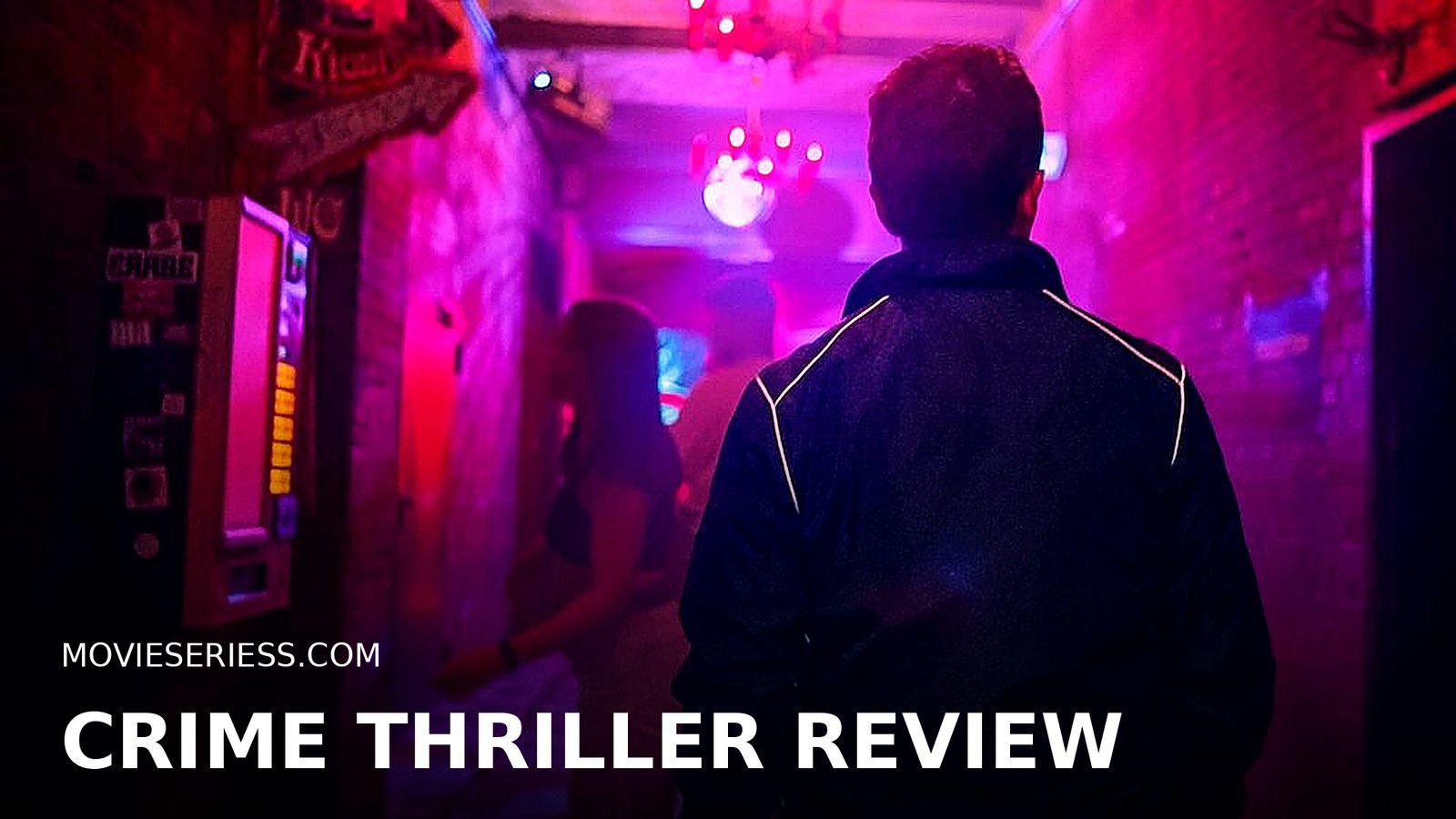
Netflix maintains its hit streak in the true crime space with Crime Scene Berlin: Nightlife Killer, a three-part documentary series from producer Joe Berlinger. The series deals with a disturbing case of a killer who preys on the gay nightlife scene in Berlin, presented in a straightforward, fact-based manner.
The documentary is mostly told from the law enforcement perspective, giving viewers how the investigation progressed over time. The series includes interviews with people connected to the victims and people who know the suspect, along with the police narrative. These contributions serve to ground the story in real human impact, even if the overall approach is quite restrained.
Each episode is under 40 minutes long, making the series quick and easy to watch in one sitting. Given its brevity, it has more of a feel of a condensed documentary film than an expanded episodic series. This is great for binge-watching but it also puts a ceiling on how deep the story can go into certain elements of the case.
Production-wise, the series follows the well-trodden Netflix true-crime formula. It uses interview footage, re-creations, CCTV footage and a dark electronic soundtrack to build tension. It’s effective, but it doesn’t really distinguish itself from other entries in the genre, and at times it feels formulaic compared to Netflix’s stronger documentary offerings.
One of the more unnerving aspects is the depiction of the killer, who stays mostly faceless throughout the series. He is described as an average built man, shown through blurred surveillance footage and a stand-in actor whose identity is never revealed on screen, hidden in shadow. While this creative choice adds to the eerie tone of the documentary, it also leaves some viewers wanting more clarity when the perpetrator is identified.
Another thing that stands out is that the killer’s motive is never fully explained. Even when justice is served, there’s a feeling of incompleteness, especially for the victims’ families who don’t get full closure. The documentary suggests psychological motivations, such as the suspect’s troubled relationship with his mother, but offers no definitive answers.
A stylized voiceover, using the killer’s own recorded statements, adds another layer of discomfort throughout the series. It’s interesting that the story implies the crimes were not motivated by a direct hatred of the gay community, given the killer himself was gay. Instead, the documentary suggests that there may be more personal and psychological issues at play.
Overall, Crime Scene Berlin: Nightlife Killer is a watchable and serviceable true crime series. It lays out the facts clearly and maintains a consistent tone throughout, but it doesn’t achieve the depth or emotional resonance of the best documentaries in Netflix’s library. It is informative and entertaining, but in the end, somewhat limited in its ambition to tell a story.